Category: heart transplant

  • Joy in Tragedy

    Join me today for 5 Minute Friday with The Gypsy Mama where we write for five minutes on a given topic. No editing. No criticism. No worry. Today’s topic is: Joy
    I can’t explain it.  There’s no way to.  It wasn’t from me.  I’ve not felt it since.  Well, not in the same way. 

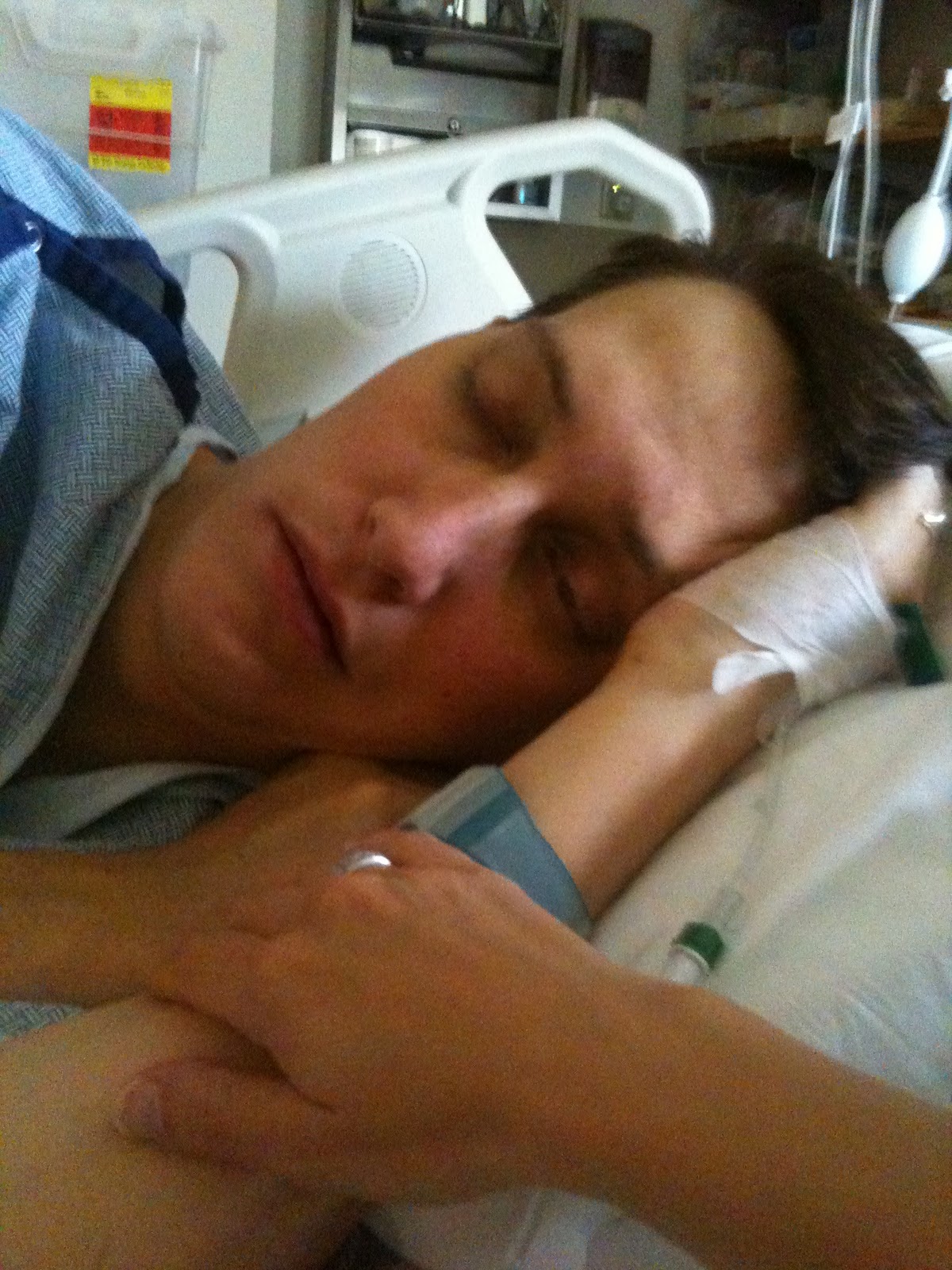
    I stood at the fork in the hallway.  My husband was behind me in his hospital bed, and nurses surrounded him holding up his air supply and medicine bags as they rushed his bed up the hall.

    He was dying.

    I turned my head to the right to look at him one last time and down the opposite fork in the hallway he went – going to one last attempt – a surgery that could save him or that could take him Home.

    And in that moment it came.  Again it sounds quite ridiculous.  But I know it was real.  It was overwhelming.

    Joy.

    Do not get me wrong.  There was no happiness in my heart.  It was almost broken in two.  But the thing that kept it together was the gift of joy sent from Above.

    It was a joy that came from hope.  Hope that he may still live.  It was a joy that came from eternity.  Eternity where I will live with him forever.

    I have not met it since – that joy that is supernatural.  But even today I look for it and anticipate when we’ll meet again.

    ** I am following up with this note after I posted my entry to say that I wrote this before reading Lisa-Jo’s post about Sara.  What is miraculous to me is that I know now that the words and ideas I wrote were from God.  My confidence in joy has been confirmed again, and I thank you, Sara, for giving us a glimpse of what His supernatural joy is like.  Many blessings to you, and thank you Lisa-jo, for sharing.
  • Chronic Illness Gave Us New Lenses

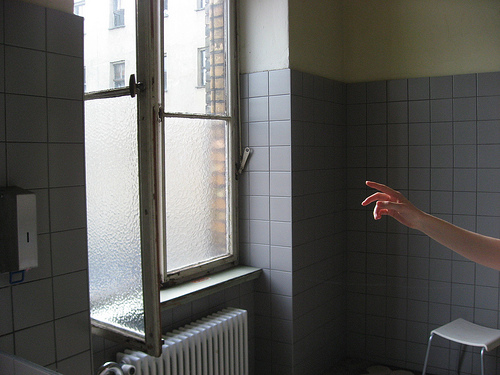
    There are experiences in life that when you are going through them all you dream about is escape. Everything on the outside of your small window seems idyllic and tranquil and unfair. You wonder how you got stuck behind the closed doors and why everyone else gets to stay out.

    Then as time passes, and the small window cracks, you feel some of the fresh air coming in from the outside, and with it comes a new perspective. As the window opens even further you begin to forget the agony from the inside, and the time shut-in doesn’t seem so bad. You find yourself, after finally stepping outside and perusing around a while, asking, “If I could choose so, would I do it all over again?”

     My answer is that I don’t want to do it over again, but I still want the new lens that the experience gave me. I want the blessing without the reliance.

     For months the reality of death was very real to us. It became a part of our daily conversations. It became a part of our thoughts. It became a part of our plans. After feeling the rawness of mortality everything around you begins to look different and much less significant.

     This was our blessing. This was the prize of hope and a future that God gave us at the end of the day (Jeremiah 29:11). He gave us another lens to look through. A lens that reminds us:
    • Everything we see is temporary. (2 Corinthians 4:18)
    • We have eternity to look forward to. (John 14:1-4)
    • We are here to bring people to Jesus. (Matthew 28:19-20)

    However, even now John and I don’t always use this new lens. As the days separate us further from our experience, we often forget about the new lens we received, and we go back to using those same old lenses that display our rights, our needs, ourselves, instead of each other.

    The days we do, though, we are able to imagine the possibility of doing it all over again. We have a gift that is hard to receive without meeting Jesus in a place where all there is left is reliance on Him.

    Photo Credit: Creative Commons

  • Chronic Illness and the Shift from Motherhood

    It had been over a month since my husband and I were in our house. Our new home had become a sterile room with a roll away bed, one pull out chair, and a constant beeping sound from carts with bags of medicine hanging from them. Around that time we heard the first utterance of what we imagined day in and day out, but sometimes still couldn’t believe was ever going to happen. The doctors told us we were almost ready. We were getting close to walking out the doors and onto the rest of our lives.

    Those words brought me ecstatic joy, but I also knew that the hard work of rebuilding our marriage would also begin.

    About a year before going into the hospital, John’s and my relationship began shifting from a typical, healthy, newlywed marriage of depending and helping each other to one where I took care of him every day – preparing meals and bringing them to him, helping him get dressed and prepared for the day, making phone calls about prescriptions and insurance, and consulting with teams of doctors on what treatment was next. One weekend I had to travel to Georgia for a wedding, and my dad had to come up to stay with him.  Overnight trips to visit family and friends became no longer possible, and my errands had to be run quickly.

    Our relationship shifted from husband and wife to child and mother. This is not what any young, strong man who desires more than anything to be seen as such wants in his life. He wanted to take care of me. But he couldn’t.

    As we moved back into our house and John got stronger, our roles would have to go back to the way they were supposed to be.  Otherwise our marriage would never be what it was meant to be.  I would have to learn to let go of the child needing a caretaker and let John return once again to the strong man he had always been on the inside.

    The rebuilding was not easy.

    Maybe it was partly because our marriage was so new to begin with, but it was as if when we walked through our front door we were walking in for the first time as a married couple. We had to relearn marriage. We had to relearn our roles. We had to relearn what we were both good at doing. We had to relearn communication.

    And I had to relearn how to submit.  It was time for me to let go and allow John the freedom he needed to heal – not only physically, but emotionally and even spiritually. 

    It took time and even some arguments, discussions, and then more discussions, but through the rebuilding John transformed into a husband again. And I transformed into a wife.

  • Chronic Illness Made Me a Helper

    Back in those days, when my husband’s heart could hardly hold him up, I would get home from teaching all day and my night job would begin.  It was a night job I did not sign up for or expect or want.  But it was one that brought me to my true purpose – to be a helper (Genesis 2:18).

    I quickly learned how to do the big jobs like mow the grass, get on ladders, and move heavy things because there was no one else to do it.  However, it was the small jobs that made me miss my husband even more.  No longer could he take out the trash or grill his famous steaks outside.  No longer could he sleep close to me at night. 

    After getting home and finishing my night jobs, then the rest of the night began.  It always started with John laying in my lap.  He was so sick and frail with an IV medication as a constant reminder of how sick he really was.  Later when it was time to go to bed he went to his new bed – the recliner.  No longer could he make the trip upstairs, and no longer could he sleep flat.  He couldn’t breathe that way.  So I would take my place on my new bed – the sofa nearby – so that I hear him breathe – or not breathe.  Of course sleep was something neither one of us got often back then.  If we weren’t awake from not feeling well, then we were awake from fear. 

    There were times when I found myself getting resentful.  It was like taking care of a child, except that he wasn’t a child.  He was my husband.  He was supposed to be taking care of me.  Not knowing how it really felt to be sick with Cardiomyopathy I would rationalize that he could do more.  For the longest time John hid the extent of his sickness from me.  He pressed on, kept working, to protect me.  I didn’t understand why it seemed that “all of a sudden” he couldn’t do things he used to do.  Many nights I went to bed in tears.  The days became one like a tunnel where I could see the light at the end, but the outside was blurry – a blurr that seemed to never clear.  I told my friends I could not do it another day.

    Those were the moments that I remembered my choice.  We did not have a choice of whether or not to go through this experience so early in our marriage, but I did have a choice of how I would respond to it.   

    I chose to become a helper.  I picked up my cross (Matthew 16:24-25), and I surrendered.  My only purpose became to serve my husband.  Everything else – my job, our house, my wants, my desires – became second or third or fourth.

  • Chronic Illness Made My Marriage Better . . . or Worse?

    The other night I skipped downstairs while my husband was watching the PGA golf tournament.  A commercial was on, so I knew I had a small window to ask the question.  It was a question that already had a “right” answer, but I just wanted to make sure he knew what the right answer was.
    “Do you think your illness made our marriage better or worse?”

    He didn’t hesitate in giving me his answer, and as he did my forehead scrunched up, and my face said, “What?”

    He told me that he thinks it made our marriage worse because it was just too much all at once – moving, new jobs, and then a heart transplant.  He went on to say that he just didn’t have the patience needed for a new marriage.  But, he also said that it did teach him a lot about me and my loyalty to him as his wife. 

    That wasn’t the right answer.  Well, at least not the first part.  But the commercials were over, and my window of time passed, so I didn’t ask him to explain any further.

    Before asking my husband that question, my thoughts were that his illness definitely made our marriage better. Yes, it was stressful, and not something that most couples have to endure for quite a long time if ever, but it made us quickly realize the true purpose for marriage.

    As I mentioned yesterday, I went into marriage knowing that it wouldn’t solve all my problems, but secretly hoping that it would.  I think that most people, even the wisest, have that little seed of hope deep down that maybe, just maybe, this will be it – the one thing that makes all things good.  We all have a tendency to search for God outside of His presence. 

    When faced with a life-altering experience, however, like a chronic illness that could lead to death, this hope in things other than God is quickly shattered, and you realize that God is all you have.  There is no longer hope for your own happiness, your own fulfillment, your own comfort.  Your hope becomes your ability to lay down all of yourself for another person, and you have no choice but to do just that.

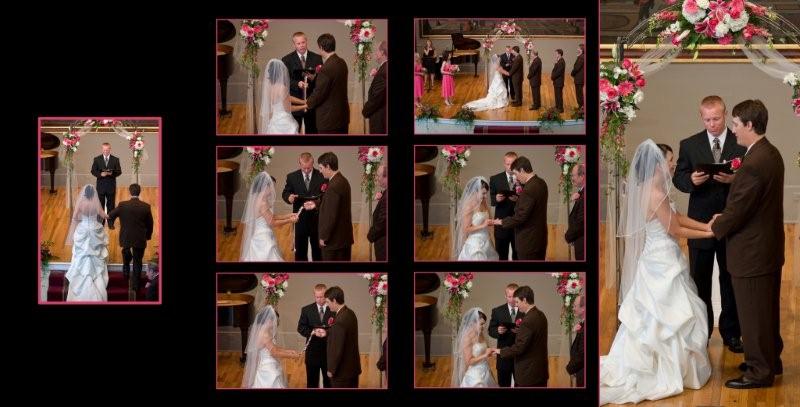
    Only a short time after our wedding God took our vows and peeled them back to their bare bones.  There we got a tiny glimpse of The Cross – and the purpose for marriage.  Marriage is God’s way of helping us experience His love for His Son and the sacrifice of His death on the cross.  It’s purpose is to sanctify us through laying down our lives for each other, over and over again, in continual sacrifice, just like Jesus laid down His life only once for us.
    Some people are never saturated in this kind of love, but this is the love of our Father.  If we live a life of sacrifice in our marriages, we get to experience what His love for us to truly like. 

    My husband and I didn’t have a choice, and this was the gift of his illness.  So, did it make our marriage better or worse?  I would say better.  Definitely not easier, but better because now we have the taste of sacrificial love to fall back on.  
  • Chronic Illness and a New Marriage

    Being single into my early thirties I still, deep down, bought into the hope lie that marriage would make everything better, that it would solve most of my problems, and even if it didn’t at least I wouldn’t be lonely anymore and maybe I could have children. I knew better than to think this. I was warned. But from the outside looking in at all of my friends’ marriages, it looked so easy. Easier than being single, anyway, and that’s what I wanted.

    Within two months of our new marriage my husband and I had both moved to a new state for the first time in our lives, both started new jobs, and both heard the daunting news, “John, your heart cannot take the Cardiomyopathy anymore. You will have to have a heart transplant.” With those words my easy vision of marriage exploded, and I was thrown into a world I did not expect. Yes, I knew that John had Cardiomyopathy before I married him, and I honestly think God protected me with naivety so that I would not run from the purpose He was preparing me for, but I still went in with blurred eyes of blissful perfection, and my ideal quickly erupted.

    Recently I was asked how chronic illness has affected our marriage, so this week I am going to share my experiences. I want to give the caveat that my story in no way compares to many others. For us there was an end, and the ending was miraculous. However, through our process with John’s sickness and transplant, I continually thought of the many people who live with chronic illness every day without much hope, other than a miracle, for full recovery. I think often about the parents with children who have chronic illnesses and adult children who take care of their aging parents. The stories are endless. Being in the hospital with John for forty-three days, I saw enough faces of these people to know that they are the real sacrificers, laying down their lives for those they love day-in and day-out, and they need our prayers.

    Please join me each day as I share my experiences with chronic illness in my marriage, and please share your experiences as well. More importantly, let’s pray this week for the countless number of people who each day lay their lives down in order to care for those they love who are sick. Let’s pray for their strength, their perseverance, and for continued hope.